A few years ago most creative professionals worked from offices or home studios with stable internet connections and company-managed systems. Today, things look very different. Designers answer client emails from cafés, social media managers schedule campaigns while traveling, and freelancers regularly jump between coworking spaces, airports, and remote locations.
The modern creative industry is built around flexibility. Mobile phones and tablets are no longer backup devices they are part of the daily workflow. Whether it’s reviewing website mockups, replying to clients on Slack, uploading videos, or managing Instagram campaigns, creative professionals are constantly connected.
But there’s one problem many people overlook: online security.
Most creatives invest heavily in tools that improve productivity and collaboration, yet very few think seriously about protecting their internet connection while working remotely. Public Wi‑Fi networks, unsecured connections, and exposed accounts can create risks that affect both personal privacy and client data.
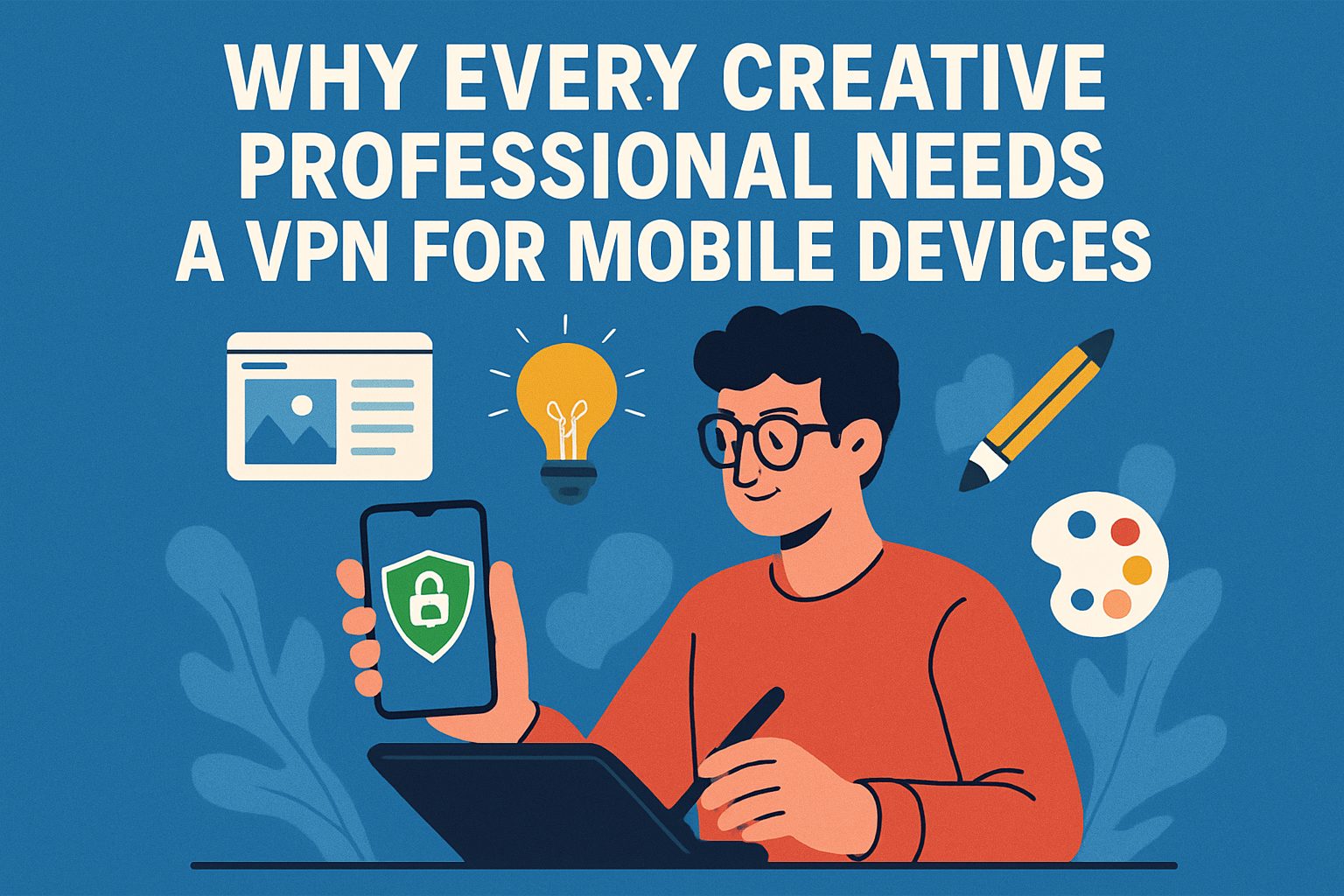
That’s one reason more freelancers, designers, and marketers are turning to a vpn for mobile devices as part of their everyday digital toolkit.
The way creative professionals work has changed dramatically over the last decade. Instead of being tied to a desk, people now work from almost anywhere with an internet connection.
Graphic designers review client feedback on tablets. Web developers access hosting dashboards from smartphones. Social media managers monitor campaigns while traveling between meetings. Video editors upload content directly from mobile devices.
Cloud-based tools have made this possible. Platforms like Figma, Canva, Google Drive, Adobe Creative Cloud, and Trello allow teams to collaborate remotely in real time. While this flexibility is incredibly useful, it also means sensitive information is constantly moving between networks and devices.
For many creatives, using public Wi‑Fi has become routine. Coffee shops, hotels, airports, and coworking spaces often provide free internet access, but those networks are not always secure.
That’s where problems can begin.
Creative professionals are often focused on deadlines, client communication, and content production. Security usually becomes an afterthought until something goes wrong.
Unfortunately, cyber threats are becoming more common, especially for freelancers and small businesses that may not have dedicated IT protection.
Open networks are convenient, but they can also expose users to security risks. Hackers sometimes monitor unsecured connections to intercept data being transferred between devices and websites.
If someone logs into email accounts, payment systems, or client dashboards on an unsafe network, sensitive information could potentially be exposed.
For creative professionals, that might include:
Even a small security incident can damage trust with clients.
Most creatives manage several accounts every day. A freelance marketer may switch between Meta Ads Manager, Google Analytics, Canva, Dropbox, and multiple social platforms in a single work session.
Every login creates another possible security risk if connections are not properly protected.
Designers, developers, and marketers often handle confidential projects before they are publicly released. Whether it’s a new product launch, branding campaign, or website redesign, clients expect professional handling of their information.
Strong digital security practices help maintain credibility and professionalism.
A Virtual Private Network, commonly called a VPN, creates an encrypted connection between a device and the internet.
In simple terms, it helps protect online activity from being easily monitored by third parties.
When using a vpn for mobile devices, internet traffic becomes more secure, especially on public or shared networks.
Instead of browsing directly through an exposed connection, the VPN adds a layer of encryption that helps keep data private.
For creative professionals, this can be especially useful when:
While a VPN is not a replacement for good cybersecurity habits, it adds an important layer of protection.
Many people assume cybercriminals only target large corporations. In reality, freelancers and small agencies are often easier targets because they typically lack advanced security systems.
Creative professionals store valuable information on their devices every day. This can include:
Losing access to those accounts or files can create major problems for both businesses and clients.
A secure mobile setup is no longer optional for professionals who work online regularly.
Every type of creative professional works differently, but almost all rely on mobile access and cloud-based platforms.
Designers often transfer large creative files between clients and team members. Secure connections help reduce risks while sharing visual assets online.
Developers frequently access hosting dashboards, staging environments, and CMS platforms from multiple locations. Secure browsing is especially important when handling administrator credentials.
Social media professionals manage business accounts that may contain advertising budgets, customer messages, and brand assets. A compromised account can seriously damage a company’s reputation.
Content creators regularly upload and download large media files through cloud storage platforms. Working securely becomes especially important when using public internet connections.
While privacy and protection are the main reasons people use VPNs, there are also practical benefits that appeal to creative professionals.
Freelancers and remote workers often move between cities or countries. Using unfamiliar internet networks increases exposure to online threats.
A vpn for mobile devices helps create a more secure browsing experience while working abroad or traveling for projects.
Online tracking has become increasingly aggressive. Advertisers, websites, and third-party services often collect browsing data to build user profiles.
A VPN helps reduce some of that tracking by masking the user’s IP address and encrypting traffic.
Knowing that internet activity is better protected can provide peace of mind, especially for freelancers who handle sensitive client information independently.
Not every VPN service offers the same level of quality or performance. Creative professionals should look for solutions that balance security, speed, and ease of use.
Slow internet speeds can interrupt workflow, especially when uploading videos, transferring design files, or using cloud-based tools.
Reliable encryption helps protect browsing activity and client information while connected to public networks.
A simple and user-friendly app makes it easier to stay protected consistently.
Most creatives work across multiple devices throughout the day, including phones, tablets, and laptops.
Choosing a VPN that supports several devices can make remote work much more convenient.
A VPN is useful, but it works best alongside good digital habits.
Weak passwords remain one of the easiest ways for attackers to gain account access.
Adding a second verification step provides additional protection for important accounts.
Software updates often contain security fixes that help protect against vulnerabilities.
Creative projects should always be backed up using cloud storage or external drives.
Phishing attacks continue to target freelancers, agencies, and remote workers through fake emails and login pages.
The creative industry has embraced flexibility, mobility, and remote collaboration. While these changes have created exciting opportunities, they have also introduced new digital security challenges.
Whether you’re a freelance designer, social media manager, developer, or content creator, protecting your online activity is becoming increasingly important.
Using a vpn for mobile devices can help creative professionals work more safely on public networks, protect sensitive client information, and reduce online privacy risks.
In a world where creative work happens everywhere, secure mobile browsing is no longer just a technical upgrade it’s part of being a responsible digital professional.