YouTube Shorts has exploded as the fastest-growing content format on the platform, giving creators unprecedented access to viral reach without needing a massive existing subscriber base. With over 2.7 billion monthly active users on YouTube, Shorts represents one of the biggest opportunities for new creators to build an audience quickly. Whether you want to create YouTube Shorts with AI or use traditional editing methods, this comprehensive guide will walk you through everything you need to know to create compelling Shorts using the right tools, strategies, and optimization techniques for 2026.
Getting your first YouTube video uploaded doesn’t require expensive equipment or years of experience. In fact, you can start with just a modern smartphone and free editing tools. Here’s a streamlined approach to get you from zero to published content in record time.
First, let’s talk about the minimalist gear you actually need. For smartphones under $600, focus on models with excellent camera quality, video stabilization, and strong low-light performance. The latest iPhone SE (2025 edition) and Google Pixel 8a both deliver outstanding video quality at budget-friendly prices. Pair your phone with a lavalier microphone like the Boya BY-M1 (under $50) for crystal-clear audio, and an Ubeesize 10-inch ring light (around $30) for professional-looking lighting.
For editing software, CapCut remains the top choice for beginners in 2026, with its intuitive interface and Shorts-specific features like automatic captioning and trending effect integration. For more advanced editors willing to climb a steeper learning curve, DaVinci Resolve offers professional-grade capabilities at no cost.
When creating your first title and thumbnail, follow this simple formula: Title = [Specific Problem] + [Intriguing Result] + [Timeframe]. For example: “How I Gained 100 Subscribers in 7 Days with No Budget.” Your thumbnail should feature a high-contrast image of yourself making an expressive face, minimal text, and a color scheme that stands out against YouTube’s interface.
For optimization, your description should be between 250-400 words, incorporating your primary keywords naturally and including timestamps for different sections if applicable. Add 10-15 relevant tags, mixing broad terms with specific keywords related to your exact topic.
Understanding how the algorithm functions is crucial to growing your channel, yet many creators overlook its fundamental principles. In 2026, the YouTube algorithm has two primary objectives: finding the right video for each viewer (personalization) and keeping viewers on the platform longer (session time). These twin goals shape everything from how videos get recommended to which metrics matter most for growth.
Click-Through Rate (CTR) and Average View Duration (AVD) remain the most critical metrics that the algorithm evaluates. For new channels in 2026, a good target is a CTR of 2-6% for long-form content, with an AVD of at least 40% of the video’s total length. Exceptional thumbnails can achieve 10%+ CTR, dramatically accelerating your channel’s growth. For Shorts, the metrics differ slightly – you want viewers watching most of your content and rewatching it rather than clicking through from a thumbnail.
When you publish a new video, YouTube initially “tests” it with a small core audience based on relevance factors like your title, description, tags, and previous viewer behavior. If this initial group responds positively (through high retention and engagement), the algorithm gradually expands the video’s reach to progressively larger audiences. This testing period typically lasts 24-72 hours, which is why many experienced creators notice significant view increases around the third day after posting.
The discovery mechanisms differ significantly between long-form videos and Shorts. Long-form content primarily gets discovered through Search and Browse Features, with viewers actively looking for specific topics. YouTube Shorts, by contrast, rely on the Shorts feed algorithm, which surfaces content to viewers based on their previous viewing habits, engagement patterns, and preferences regardless of whether they’re searching for your specific topic. This makes Shorts particularly valuable for reaching new audiences who haven’t yet discovered your channel.
Monetizing your YouTube content requires understanding both the platform’s official programs and supplementary income streams. The YouTube Partner Program (YPP) remains the foundation of creator earnings, with requirements for 2026 maintaining the threshold of 1,000 subscribers and either 4,000 hours of public watch time in the past 12 months or 10 million public Shorts views in the last 90 days. Once accepted into the program, creators receive 55% of the ad revenue, with YouTube keeping the remaining 45%.
Based on 2026 data, creators earn approximately $2.95 per 1,000 views on average, though this varies significantly by niche. Finance and technology channels command higher rates, with some finance niche creators reporting $16.23 per 1,000 views, while entertainment content typically earns less. This variation is due to different advertiser bid rates across topics.
Affiliate marketing represents one of the most accessible monetization methods, even for channels with zero subscribers. For beginners, Amazon Associates offers a relatively straightforward entry point, though approval requires demonstrating a content strategy and may take days to weeks. ClickBank provides instant approval with higher commissions (50-75%) but focuses on digital products. ShareASale sits in the middle, offering moderate entry difficulty with competitive commission rates across physical and digital products.
The Shorts Creator Pool works differently than traditional monetization, allocating a portion of ad revenue to creators based on their share of total Shorts views. When using licensed music in Shorts, revenue is split between you, the music rights holders, and YouTube. Despite these complexities, many new creators find that Shorts provide the fastest path to initial monetization through the YPP.
Beyond these primary methods, five additional income streams deserve attention:
Creating content that actually gets watched begins long before you press record. Successful YouTubers start with systematic research to identify topics people are actively searching for. Begin with YouTube’s own search bar, typing broad terms related to your niche and noting the autocomplete suggestions. These represent actual search queries from real users. For more in-depth analysis, tools like VidIQ and TubeBuddy provide detailed metrics on search volume, competition level, and optimization score.
Look at what’s already performing well in your niche, but don’t simply copy successful topics. Instead, identify gaps in existing content or angles that haven’t been thoroughly explored. Maybe you can provide a unique perspective, more current information, or a different presentation style that stands out. Remember that content demand has doubled over the past two years, meaning there’s more room than ever for fresh voices in nearly every niche.
Viewer retention starts with your script structure. Follow this proven template for maximum engagement:
1.Hook (First 5-10 seconds): Present your core topic as a problem or intriguing result. Use phrases like “Here’s what most people get wrong about…” or “The secret to achieving X is actually…”
2.Value Proposition (Next 10-15 seconds): Clearly state what viewers will learn and why it matters to them.
3.Main Content (70-80% of video): Deliver your key points with supporting evidence, examples, and visuals.
4.Call-to-Action (Final 10-15 seconds): Tell viewers exactly what to do next – subscribe, watch another video, or implement what they learned.
Write conversationally, using natural language as if explaining to a friend. Include transitional phrases like “The next point is really important” or “Here’s what surprised me most” to maintain engagement. For educational content, incorporating unexpected facts or counterintuitive insights dramatically increases retention rates.
Professional-looking videos don’t require expensive gear, but they do demand attention to basic production principles. For lighting, position yourself facing a window with natural light, or use a ring light positioned slightly above and in front of you at a 45-degree angle. This creates flattering lighting that highlights your features without harsh shadows.
Audio quality actually matters more than video quality – viewers will tolerate mediocre visuals but quickly abandon videos with poor sound. The Rode Wireless GO II (around $199) offers professional wireless audio at a reasonable price point. For budget creators, the Purple Panda lavalier microphone (approximately $30) provides excellent wired audio quality.
Position your camera at eye level, framing yourself from the waist up for talking head content. Ensure your background is clean but not sterile – add small elements that reflect your personality or channel brand without creating visual clutter. Record in a quiet space with minimal echo; if needed, create a DIY sound barrier using blankets or foam panels.
Editing transforms raw footage into compelling content that holds attention. Focus on pacing rather than flashy effects – aim for a cut or visual change every 3-5 seconds in most content types. This maintains visual interest and signals to the algorithm that your content is engaging.
Incorporate B-roll footage, text overlays, and relevant graphics to illustrate key points. Text overlays are particularly important as many viewers watch videos without sound initially, and subtitles significantly increase engagement across all viewing contexts. CapCut’s automatic captioning feature makes this process almost effortless for Shorts creators.
Sound design dramatically impacts perceived production quality. Add subtle background music that matches your video’s emotional tone, use sound effects for emphasis, and apply audio ducking to lower background music during speech. Ensure consistent audio levels throughout to avoid jarring volume changes that might cause viewers to leave.
The optimization phase begins before you even upload. Your title should include your primary keyword near the beginning while remaining compelling enough to earn clicks. Effective titles in 2026 typically range from 50-65 characters and balance specificity with intrigue. Avoid clickbait, which damages long-term channel trust, but do create titles that spark curiosity.
Your thumbnail is responsible for more than 60% of your video’s click-through rate, making it your most powerful tool for generating views. Design thumbnails with high contrast, emotional expressions, minimal text (under 6 words), and a style consistent with your brand. Test different thumbnail approaches to identify what resonates with your specific audience.
In your description, include your primary keyword in the first sentence, then naturally incorporate it 2-3 more times throughout a 250-400 word description. Add relevant timestamps for better user experience and potential SEO benefits. Select 10-15 tags that include broad terms, specific long-tail keywords, and variations of your target topic.
Finally, add an end screen promoting another relevant video or playlist to increase session watch time, and consider creating a custom playlist that includes your new video alongside 2-3 of your best existing pieces on similar topics. This signals to the algorithm that you have depth in your subject area.
AI tools have revolutionized content creation in 2026, dramatically reducing the time and technical skills required to produce high-quality content. For scriptwriting, ChatGPT-4o stands out with its memory feature for personalized suggestions, natural voice flow, and versatile content capabilities at $20/month. Jasper provides an alternative with 50 templates and brand voice consistency features, though at a higher price point of $39/month for individual creators.
For video creation, AI tools have become incredibly sophisticated. Opus Clip excels at repurposing long-form content into compelling Shorts clips through automatic reframing, AI-generated captions, and viral moment identification.
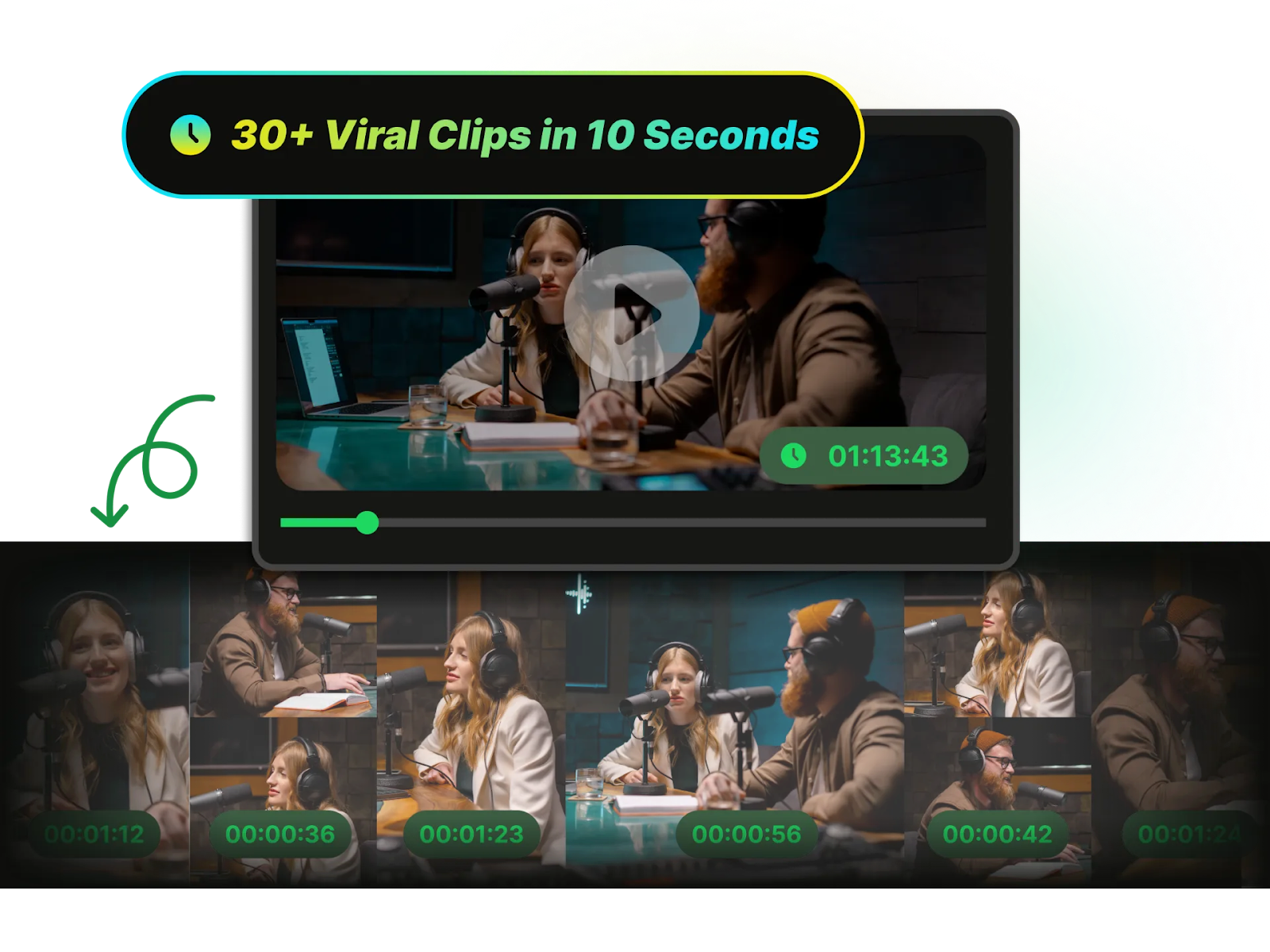
WayinVideo stands out with its lightning-fast processing that generates 30+ viral-ready Shorts in just 10 seconds, featuring AI virality ranking to identify your best clips, smart auto-reframe for perfect 9:16 formatting, and 99% accurate animated captions in 100+ languages. The platform offers watermark-free exports even on the free plan, making it accessible for creators at any level. Descript offers powerful audio and video editing capabilities with its unique approach of editing video by editing text transcripts, making complex editing accessible to beginners.
The standout for Shorts creation in 2026 is Crayo AI, which generates entire short-form videos from ideas using script-to-video technology, AI voiceovers, customizable templates, and automatic caption generation. This tool has proven particularly valuable for creators needing to produce high volumes of Shorts content quickly.
Beyond content creation, AI presents significant income opportunities. Many creators are building and selling AI automations – simple workflows that solve specific business problems. For example, you could develop a system that automatically generates social media content from video transcripts, or create AI-powered thumbnail variations for other creators. These services typically start at $200-500 per month per client, creating substantial recurring revenue streams with relatively low time investment once established.
The YouTube Shorts algorithm operates differently from the main video algorithm, requiring specialized strategies for maximum reach. The first 2 seconds of your Short determine whether viewers swipe away or continue watching – less than 30% of viewers should swipe away in that critical opening window. To combat this, employ three hook strategies: immediate visual impact, intriguing text overlays, or audio that sparks curiosity.
Trending audio remains a powerful discovery tool for Shorts, but creative use is key. Find trending audio through the Shorts creation screen by tapping “Add sound” and exploring recommended or trending sections. When incorporating trending audio, add your unique twist rather than simply copying the original concept – this maintains authenticity while leveraging the algorithm’s preference for popular sounds without risking copyright issues.
Data from 2026 indicates that the most successful Shorts maintain high retention throughout, encouraging replays and loops. Aim for Shorts that loop seamlessly, with the ending naturally flowing back to the beginning. This technique dramatically increases rewatch rates, a key ranking signal for the Shorts algorithm.
While research on ideal Shorts length continues, the most performing creators typically produce content between 30-60 seconds long, delivering complete value quickly without unnecessary fluff. Hashtag strategy has evolved as well – while the #shorts tag is still relevant, it’s most effective when combined with 2-3 niche-specific tags that clearly identify your content’s topic and target audience.
Consider the case of Sarah Lavender, whose ASMR channel grew to over 300,000 subscribers primarily through Shorts. Her strategy involved identifying trending audio within her niche, creating 45-second videos that maintained viewer retention through 85% on average, and posting consistently 3-5 times per week. This approach generated monthly earnings between $1,000-$6,000 within 12 months of starting her channel.
Successful channels begin with a clear understanding of both their topic and target viewer. Rather than choosing broad topics like “cooking” or “gaming,” identify specific sub-niches where you can provide unique value. Consider your expertise, interests, and market demand. The intersection of what you enjoy creating, what you’re knowledgeable about, and what people are actively searching for represents your sweet spot.
Your “core audience” consists of viewers who resonate most strongly with your content style and subject matter. These viewers are more likely to subscribe, engage with comments, and become long-term fans. Rather than creating content for everyone, focus on consistently delivering exceptional value to this specific group. As creator Jen Lauren discovered when building her 10,000-subscriber vlogging channel, speaking directly to a well-defined audiences generates stronger community and faster growth than attempting broad appeal.
Content pillars are 3-5 main topics that form the foundation of your channel. These pillars should be broad enough to allow for multiple video angles but specific enough to create focus. For example, a productivity channel might have pillars like “time management systems,” “digital tool reviews,” and “focus techniques.”
These pillars serve multiple strategic purposes. They ensure consistency for your audience, make content planning more systematic, and create natural pathways to other videos within your content library. When viewers enjoy one video about a specific pillar, they’re more likely to watch additional videos on the same topic, increasing your overall watch time and session metrics.
YouTube Analytics can overwhelm new creators with dozens of metrics. Focus initially on these 3-4 indicators that provide the most actionable insights:
Click-Through Rate (CTR): This percentage shows how often viewers click your video after seeing it on YouTube. Low CTR typically indicates issues with your title or thumbnail, while high CTR suggests good optimization. Aim for 2-6% for new channels, with anything above 8% indicating exceptional performance.
Average View Duration (AVD): This metric reveals how long viewers typically watch before leaving. For educational content, you should aim for 50% AVD at minimum. Videos with consistently high AVD (60%+) signal strong viewer satisfaction to both you and the algorithm.
Audience Retention Graph: Visual representation of where viewers drop off throughout your video. Look for sharp drops that might indicate specific moments where viewers lose interest, and smoother segments that particularly engage your audience.
Traffic Source Types: This shows how viewers are finding your content. For newer channels, strong performance in YouTube search suggests good SEO, while high browse feature views indicate effective thumbnail and title optimization.
Use these metrics not as vanity metrics but as diagnostic tools. Each dip in retention or underperforming video provides specific feedback about what elements to improve in future content.
The algorithm rewards channels that build engaged communities, not just accumulate views. Respond to comments thoughtfully and promptly, especially in the first 24 hours after posting when the algorithm is evaluating your video’s appeal. Ask questions that encourage substantive discussion rather than simple yes/no answers.
Extend your community building to other platforms where your audience gathers. Create an email list to communicate directly with your most dedicated followers. Use platforms like Instagram for behind-the-scenes content and Twitter for industry insights. As you build this multi-platform community, you create a more stable foundation that’s less dependent on any single platform’s algorithm changes.
Every successful YouTuber has experienced the discouragement of publishing content that seems to go nowhere. Your first 5-10 videos typically receive minimal engagement, and this isn’t a sign of failure but rather an expected part of the growth process. During this period, YouTube’s algorithm is gathering data about who your content resonates with, building a profile of your ideal viewer based on who watches, how long they watch, and how they engage.
This “data collection phase” is crucial for long-term success. Rather than focusing on view counts during this period, concentrate on quality and consistency. Each well-crafted video provides more data points that help YouTube understand your channel’s value and target audience. The algorithm needs consistent signals to make accurate recommendations – sporadic posting or inconsistent quality prolongs this learning period.
Emotionally, this phase can be challenging. The psychology of content creation includes moments of doubt when posting without immediate validation. Many creators describe addiction to metrics despite knowing this early period represents learning rather than performance benchmarks. Acknowledge these feelings without letting them disrupt your consistent publishing schedule.
If you’ve published 10+ videos with minimal engagement, perform this diagnostic check. First, evaluate your topics – are they addressing actual search queries or problems viewers care about? Tools like AnswerThePublic or Google Trends can verify viewer interest in your subjects. Next, analyze your titles and thumbnails – are they compelling enough to earn clicks among competing content? Compare them to successful videos in your niche and identify differences. Finally, assess your actual content quality – is the audio clear? Is the value proposition clear early in the video? Does the content deliver on the title’s promise?
Many channels that appear to have “overnight success” actually experienced months of low-view content before finding their voice and audience. This period of limited visibility offers a valuable opportunity to experiment, learn, and refine your approach without the pressure of high expectations.
While research on optimal posting frequency continues to evolve, data from successful channels in 2026 suggests posting 3-5 Shorts per week provides strong growth without burning out creatively. Consistency matters more than frequency – regular posting signals to the algorithm that your channel is active and provides new content for viewers. Rather than focusing on a precise number, establish a sustainable schedule you can maintain long-term, whether that’s daily Shorts or three high-quality pieces per week. Many growing creators batch create content, dedicating specific days to filming multiple Shorts, then scheduling them throughout the week for consistent delivery.
While traditional YouTube Partner Program monetization requires 1,000 subscribers plus watch time thresholds, Shorts offer unique monetization opportunities even for new creators. The Shorts Fund provides monthly payments to creators based on their Shorts views, regardless of subscriber count. Additionally, you can implement affiliate marketing strategies from day one by including relevant product links in your video descriptions. Many small channels have found success with this approach, with some nano-influencers like Jen Lauren earning supplemental income through affiliate marketing even with only 10,000 subscribers. Focus on creating valuable content first, then thoughtfully implement monetization strategies that enhance rather than detract from viewer experience.
For beginners, the most critical factor in choosing a Shorts maker tool is ease of use combined with platform-specific features. CapCut remains popular because it balances simplicity with powerful features like automatic captioning and trending effects that directly support Shorts growth strategies. Beyond basic functionality, consider tools that integrate with your broader content workflow – whether that’s repurposing long-form content (Opus Clip), AI-assisted creation (Crayo AI), or advanced editing capabilities (Descript). Start with simpler tools and gradually adopt more sophisticated options as your needs evolve and your channel begins generating revenue that can justify software investments.
Creating successful YouTube Shorts in 2026 requires blending creative content with strategic optimization. Focus on delivering genuine value to a specific audience, maintain consistent quality, and use data to refine your approach over time. While early growth may seem slow, the YouTube algorithm rewards persistence – those who continue publishing and improving eventually break through to significant viewership. With the right tools, strategies, and mindset, you can build a thriving channel through YouTube Shorts regardless of your starting experience or resources.